

Food waste constitutes nearly 25% of trash in Massachusetts. Still, this figure does not account for the amount of food waste disposed of in recycling, which is a particular problem in Pembroke. There is a better way to dispose of food while retaining its nutrients. Organic material creates a useful product instead of waste. Composting food and yard waste is the most sustainable practice a household can implement to prevent additional fees charged to Pembroke residents.
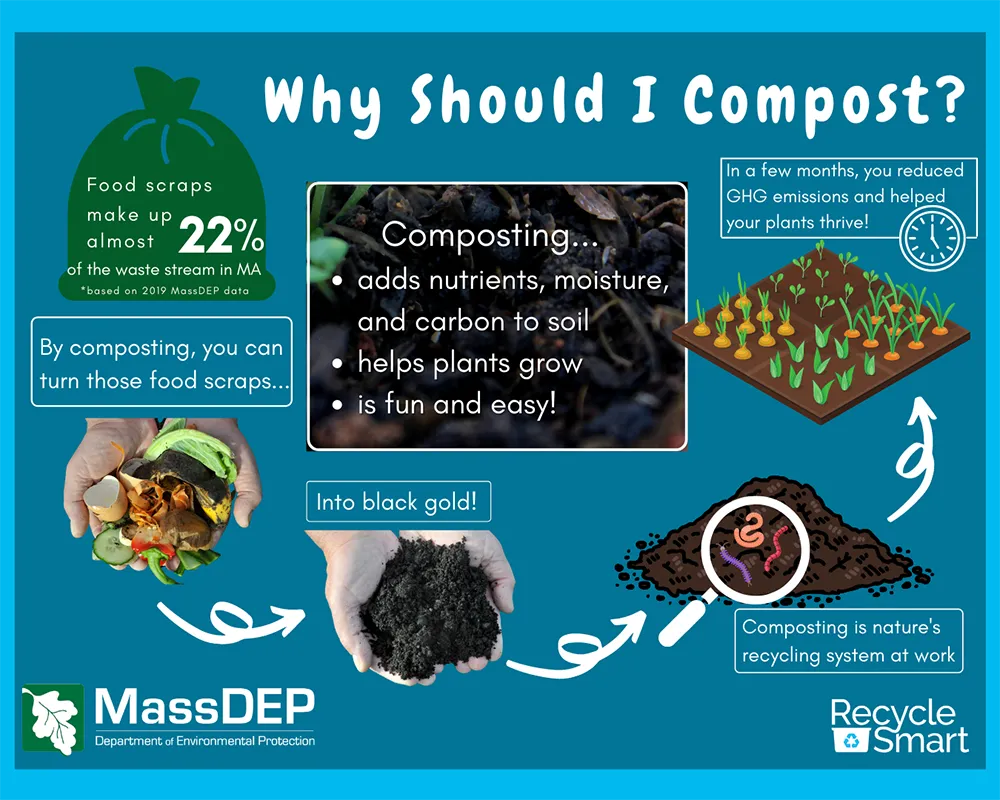
Composting is easy and can save money in multiple ways. First, keeping food waste out of the recycling bin helps reduce contamination, potentially saving money on municipal waste bills. Second, the average household wastes about $2000 per year on discarded food, according to the South Shore Recycling Cooperative (SSRC); that’s a lot of money going to the trash. Third, nutrient-rich soil at home can help save money on new soil and fertilizers while replenishing the garden. Though residential composting is not required in Massachusetts, it is encouraged. Compost improves soil health and reduces the need for fertilization and other amendments. It also reduces greenhouse-gas emissions from landfills.
There are multiple low-cost ways to begin composting at home. The cheapest and easiest way to start composting is to set up a system in a well-drained, shady area of your yard. Add your food and yard waste in layers. For the best results, compost should include 3/4 “brown materials” and 1/4 “green materials.” Browns are carbon-rich and include leaves, twigs, branches, straw, and sawdust. Greens are nitrogen-rich and include coffee grounds, banana peels, fruit and vegetable scraps, and grass clippings.
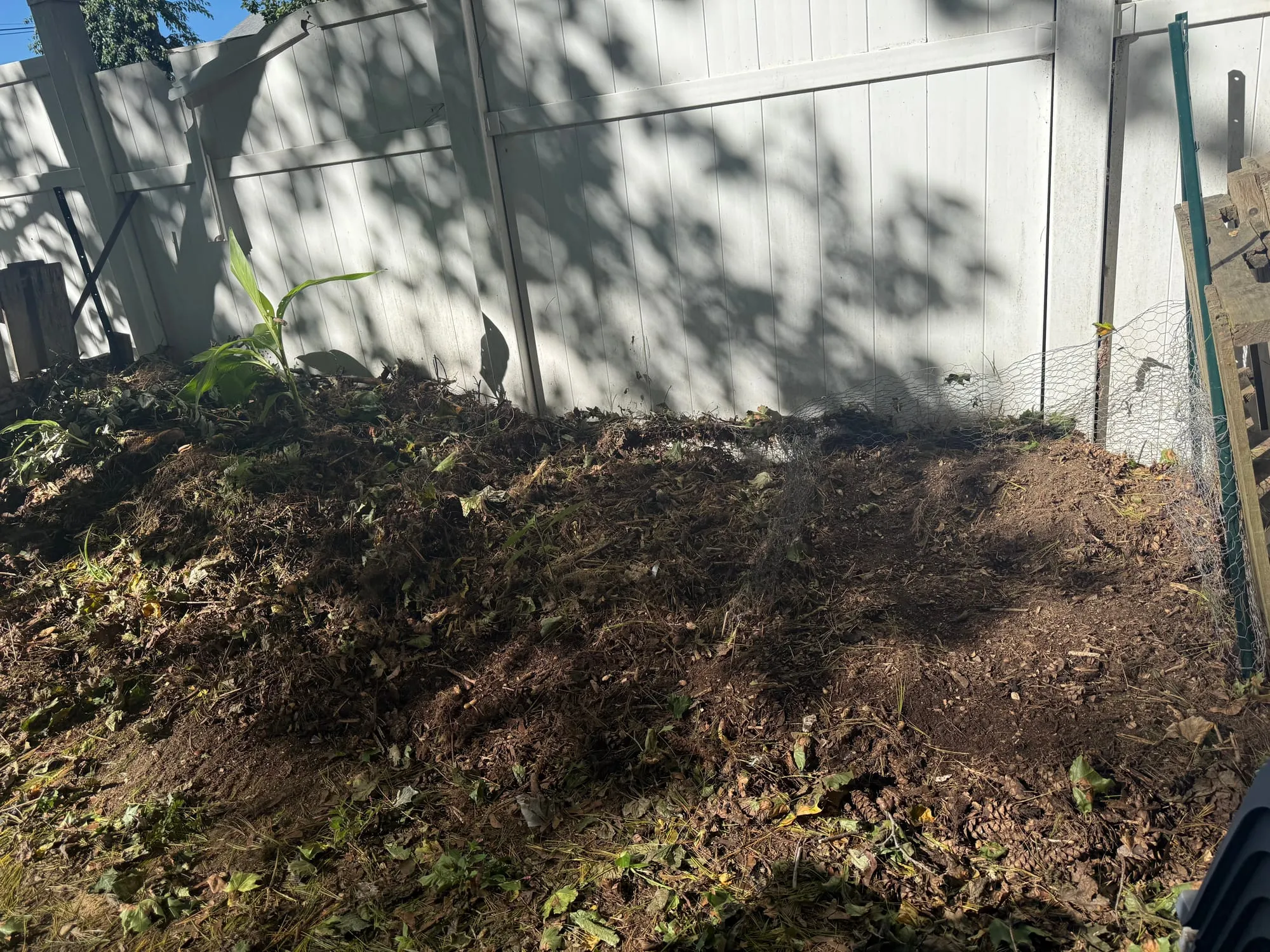
Do not add meat or fish, oil, greasy foods, pet waste, charcoal or ash, or diseased plants to your home compost. These items can attract pests and negatively affect nutrient balance. Also avoid painted or treated wood, as this may leach unwanted chemicals into the compost and soil.
If a yard pile doesn't work on your property, you can use new-age composters, barrel bins, and wire bins. The SSRC provides rodent-resistant bins during the spring at a reasonable cost to residents of member towns, including Pembroke. Barrel and wire bins are easy to construct at home. Plastic trash barrels can be converted into a compost bin by drilling small holes in the plastic to allow air in and moisture out. Turn the bin's contents with a hoe in spring and fall to redistribute material from bottom to top for finished compost within a year. More frequent turning may speed up results.
Residents who have extremely limited yard space, or no yard at all, can still compost at home by investing in a kitchen composter. Multiple varieties of indoor compost systems are now available, including countertop models. Stop throwing money away in the trash; save food scraps to create nutrient-rich compost, often considered “black gold” by gardeners.
If you are interested in having a recycling or waste question answered in a future Trash Talk article, please email Nicole Lydic at nicole.lydic@pembrokecitizenjournal.com


