

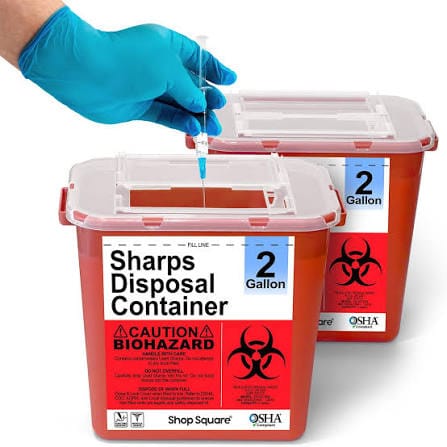
When most people think of sharps—needles, syringes, and other devices used to inject medication—they often associate them with illicit drug use. That association can be dangerous. Millions of Americans self-inject medications at home and are responsible for properly disposing of this biohazard waste. Conditions such as diabetes, rheumatoid arthritis, multiple sclerosis, pernicious anemia, and anaphylactic allergies may require injectable medications for home treatment. Testosterone replacement and other therapies may also involve self-injection. Unfortunately, the stigma surrounding needles and syringes can leave patients feeling embarrassed or ashamed about managing their medical waste.
Diabetes was among the first conditions for which manufacturers, medical professionals, and patients sought more convenient and precise methods of medication delivery. In the 1970s, insulin pumps were developed to deliver a continuous flow of insulin beneath the skin. In the 1980s, the NovoPen was introduced, giving patients a portable and discreet way to administer measured doses of insulin with greater accuracy than traditional vials and syringes.
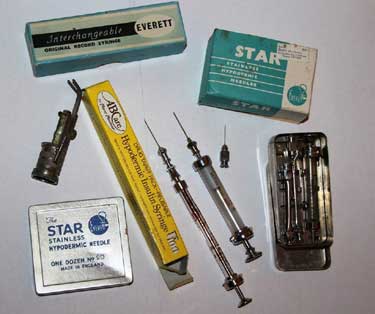
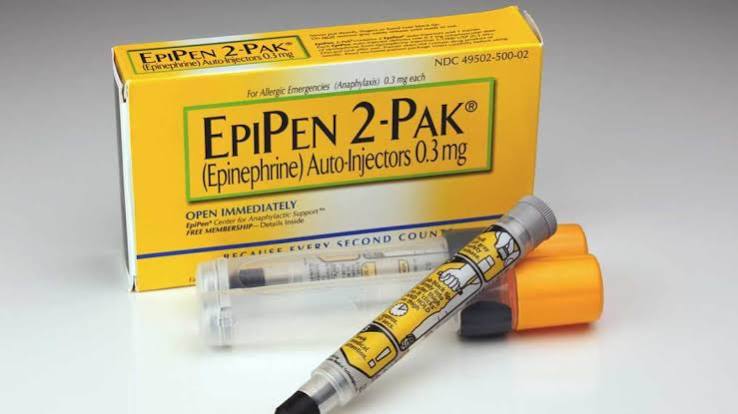
Perhaps the most recognizable auto-injector is the EpiPen, which delivers epinephrine during a life-threatening allergic reaction. Introduced in the 1980s, the EpiPen transformed emergency allergy treatment. Patients no longer needed to draw medication into a syringe and administer an injection using older epinephrine kits. The EpiPen provides a premeasured dose and uses a spring-loaded mechanism to deliver the medication quickly, reducing the time it takes to administer potentially lifesaving treatment.
Today, millions of Americans self-inject medications. The growing use of injectable GLP-1 medications for weight management, including Wegovy, Ozempic, and Zepbound, has added another significant source of single-use plastic and needle waste. Millions of disposable auto-injectors used each week contribute substantial amounts of non-biodegradable plastic to the waste stream. Though the needle is encased in the cartridge after use, the casings can break when compacted by collection trucks exposing the needle.
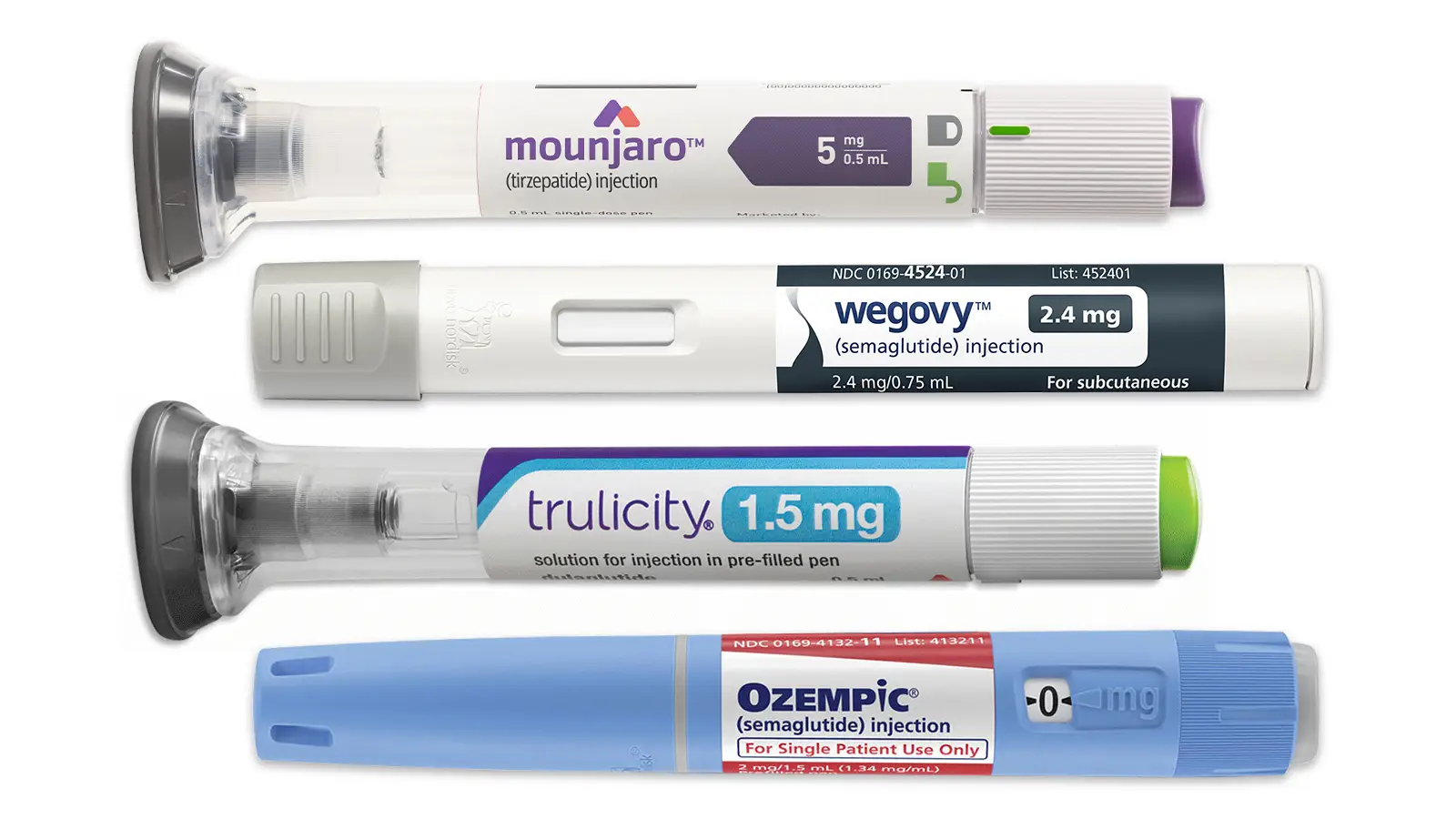
Auto-injectors and other sharps are considered biohazard waste. Like traditional needles, vials, and syringes, injection pens should never be placed in household trash or recycling. Sharps pose a serious risk of injury and infection to sanitation workers, recycling facility employees, janitorial staff, family members, and anyone else who may encounter them. An accidental needle stick can require immediate medical evaluation, blood testing, and, in some cases, preventive treatment for infections such as HIV and hepatitis B or C.
Sharps should be collected in a sturdy, puncture-resistant container, ideally a designated sharps disposal container. Because these containers may not be readily available to every patient, residents can use a thick, rigid household plastic container, such as an empty laundry detergent bottle, utility bucket (available at most hardware stores), or bleach container. The receptacle must be puncture-resistant and securely sealable. It should be clearly labeled “SHARPS/BIOHAZARD WASTE.”
Biohazard waste stored in either an approved sharps container or a suitable household container can be brought to the Pembroke Fire Department for disposal without judgment. Residents should never place sharps or other biohazard waste in curbside trash or recycling. Whatever the reason for using injectable medications, proper disposal protects the people who handle our waste—and the community as a whole.
For more information visit: www.mass.gov/doc/proper-use-and-disposal-of-needles-and-syringes-may-2026/download
If you are interested in having a recycling or waste question answered in a future Trash Talk article, please email Nicole Lydic at nicole.lydic@pembrokecitizenjournal.com


