

On Saturday, Oct. 17, I sat down with Pembroke Historical Society Curator Alan Gianatassio to talk about our town’s beginnings. Gianatassio’s knowledge of Pembroke history gave us plenty to discuss — and he assured me our conversation was only getting started.
One thing stood out: a long trip to Sunday worship helped put Pembroke on the road to becoming a town.
Before Pembroke’s incorporation in 1712, much of the area was part of Duxbury. For families living in the outlying settlement known as Mattakeesett, getting to the meetinghouse was no small undertaking. They wanted a place to worship closer to home.
Residents sought a more convenient location for Duxbury’s meetinghouse. Their effort went nowhere, and the idea of establishing their own place of worship gained ground. In colonial New England, a meetinghouse served an important role in both religious and community life.
Early worship here is associated with a place remembered as Sabbaday Orchard. The Congregational Library & Archives dates the first meetinghouse to about 1708, although accounts differ about that earliest building.
On March 21, 1712, Pembroke became a town. It brought together the northwestern portion of Duxbury known as Mattakeesett, the Major’s Purchase and the Marshfield Upper Lands. The map looked quite different from the one we know today.
Becoming a town also came with responsibilities. The incorporation act required residents to secure a qualified minister within two years, provide land for the ministry and pay for his support. The First Church was organized that October, and the Rev. Daniel Lewis was ordained in December. A larger meetinghouse followed in 1727.
Even the town’s name has a bit of a story. The petitioners wanted to call it Brookfield, but Massachusetts already had a community by that name. An account in the 1884 History of Plymouth County says the name was left blank in the incorporation measure and filled in across the Atlantic.
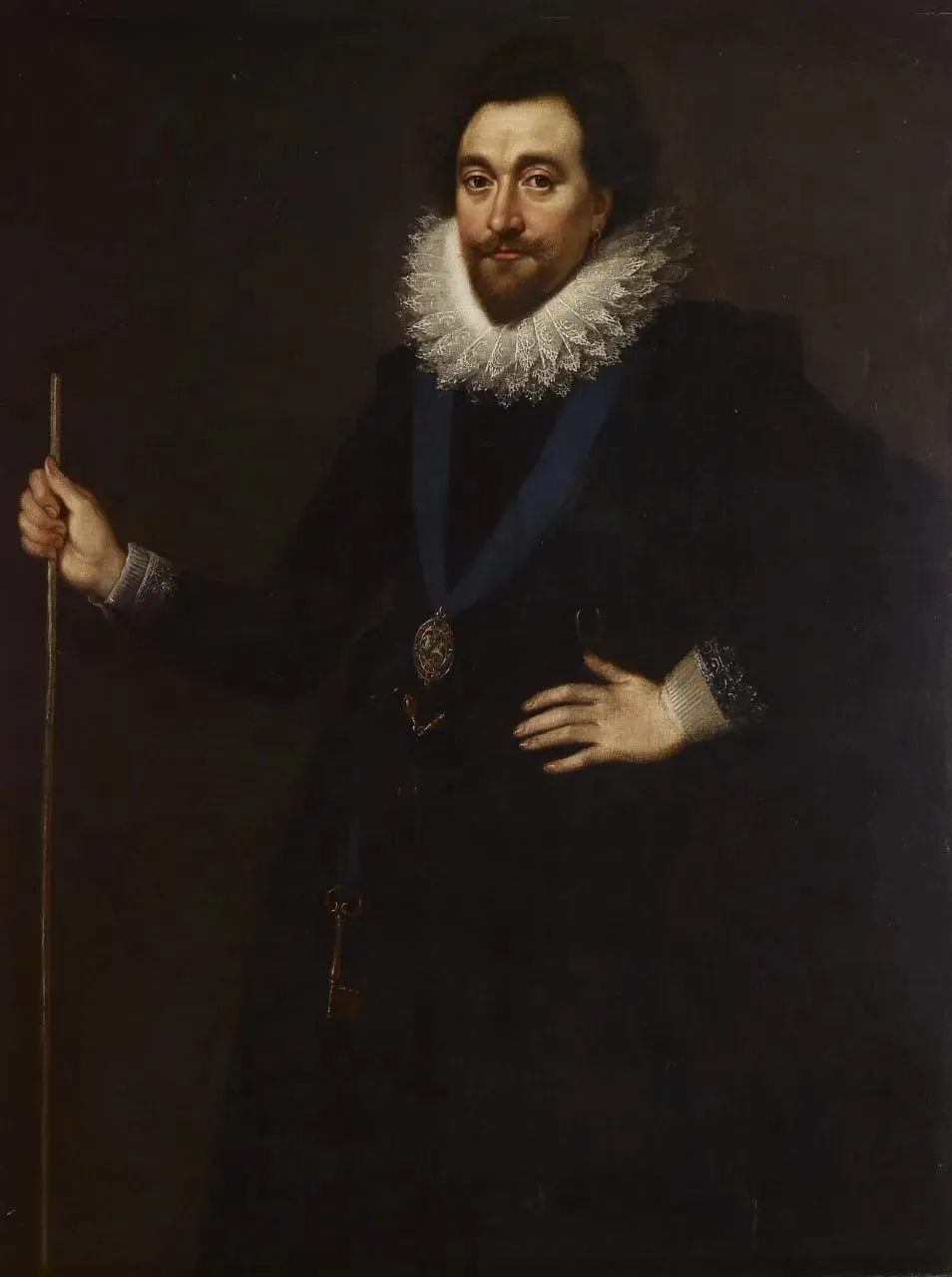
Some believe that Pembroke was named for Thomas Herbert, Earl of Pembroke. Whether the earl chose the name himself makes an interesting local tale but remains speculation.
The town’s boundaries kept changing. Its western section eventually became Hanson in 1820. That is why an old reference to Pembroke may describe a place that is now in Hanson — something to keep in mind when looking through local history.
My conversation with Gianatassio brought these beginnings down to earth. Behind the dates, petitions and shifting boundaries were neighbors trying to make community life a little more manageable. A place to worship closer to home helped set the stage for the town we call home today.
Based on my conversation with Alan Gianatassio, with supporting historical material from the Congregational Library & Archives, History of Plymouth County (1884) and the Massachusetts Historical Commission’s Pembroke survey.


